Online course​

Neurophysiology
applied to massage

Designed for trained and aspiring massage therapists, bodywork practitioners, and interested students.

Course brought from Oasis Masajes, our sister school.

Teaching methodology

Can I enroll even if I have no prior knowledge?

Yes, this course is designed with an interactive and simple teaching methodology that allows for the gradual incorporation of knowledge presented during the classes, even without prior knowledge of physiology or anatomy.

What you will learn

Online course in Applied Neurophysiology in Massage

  • Neurophysiology. Central and peripheral nervous system, review of basic anatomy and physiology. Triune brain. Autonomic system: sympathetic and parasympathetic.
  • Foundations of Polyvagal Theory. Identifying active defensive responses (fight and flight) as well as passive responses (freeze) in the client. Understanding the neurophysiological foundations of stress and relaxation and how massage influences regulation.
  • Massage and its central effects: cortisol, dopamine, serotonin, oxytocin, and opioid substances. Scientific studies.
  • Top-down vs. bottom-up regulation, co-regulation, and self-regulation. Practical guidelines: grounding, mindfulness and presence, dual orientation, and the use of prosody for nervous system regulation.
  • Recognizing parasympathetic activation manifestations in the body and the functions of the ventral vagus nerve. Providing information to support the consolidation of this response. Massage and sleep: basic sleep physiology, brain waves, and practical recommendations for clients to achieve a restorative sleep.
  • Pain: The new psycho-physiological approach to chronic pain. The relationship between stress, emotions, and physical pain. The importance of massage for people suffering from chronic pain.

Greater impact

Why is it important to integrate this updated knowledge in neurophysiology?

The skin is no more separate from the brain than the surface of a lake is from its depths; they are simply different locations within a continuous medium. The brain functions as a single unit, from the cortex to the tips of the toes.

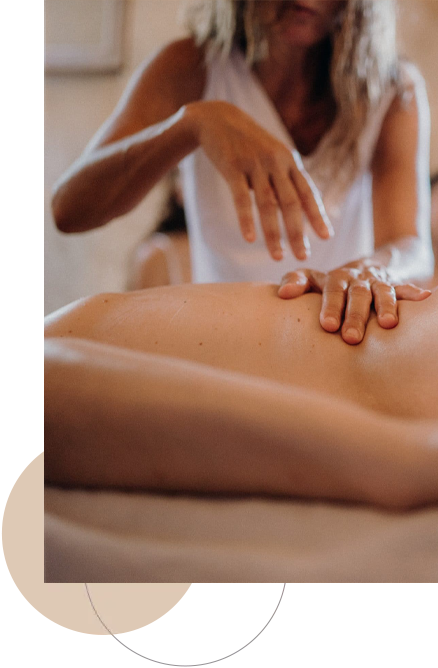
Understanding that the greatest impact of massage is on the central nervous system places bodywork therapists in a different position compared to the conventional approach.

In this course, you will explore the effects and implications of massage on mind-body health through the lens of modern neuroscience.

Knowledge of neurophysiology helps clarify the therapeutic potential of massage for numerous conditions, including chronic stress, chronic pain, and sleep disturbances, among others.

By understanding the autonomic nervous system, both therapists and clients can recognize how different types of touch evoke safety (ventral vagal activity), discomfort or activation (sympathetic response), and numbness, disconnection, or dissociation (dorsal vagal response), as well as how to regulate each of these responses.

Finally, we believe that professional excellence includes the ability to provide clients with reliable, up-to-date information about the many benefits of massage.
What you will learn​

¿Sabías que el masaje...?

• It regulates the central nervous system by promoting the activation of the parasympathetic system, facilitating tissue repair, and boosting the immune system. Does it affect the central nervous system by activating pleasure pathways (serotonin and dopamine), deactivating stress-related areas, and reducing cortisol? Does it promote body schema integration? • Does it play a role in the release of oxytocin (the bonding neurohormone) and the activation of the analgesia system?
  • Does it induce the relaxation response and reduce anxiety?
  • Does it facilitate and promote sleep while improving its quality?
  • Does it support growth (massage for babies) and foster secure attachment?

1 WEEKLY CLASS for 12 WEEKS

ONLINE START DATE: Tuesday, March 4 (12 classes)

SCHEDULE: Tuesdays from 7:00 PM to 9:00 PM

INSTRUCTORS: Lorena Frasier in collaboration with Sebastián Cillo.

Request more information about the online course in Applied Neurophysiology

Spazio Bodywork
Privacy Overview

This website uses cookies so that we can provide you with the best user experience possible. Cookie information is stored in your browser and performs functions such as recognising you when you return to our website and helping our team to understand which sections of the website you find most interesting and useful.